

Business travel rarely follows a perfectly fixed schedule. A meeting may run longer than expected, a flight time may change, or a traveller may need to visit several locations during one trip. When transport arrangements cannot adapt to these changes, even a straightforward business journey can become difficult to manage.
This is why flexible transportation is becoming an important part of business travel planning. Companies and professionals need transport options that fit their schedules, destinations and budgets, rather than having to organise every journey around a limited set of services.
The UK Department for Transport’s Business Travel Survey 2025 highlights the continued role of travel in business activities. It found that air travel was used by 90% of surveyed businesses for international trips during 2024. With journeys involving different transport modes, planning the connections between airports, workplaces, hotels and meeting venues matters.
From public transport and rental cars to a pre-booked corporate airport transfer, the right choice depends on the journey. Understanding the available options can help businesses make travel more convenient, organised and manageable.
How Are Business Travel Needs Changing?
Business travel is not limited to travelling from one city to another for a single meeting. A professional may need to attend a conference, meet clients, visit a project site and return home within a short period. Others may travel between airports, hotels and offices across different locations.
At the same time, companies are balancing the value of in-person meetings with travel costs, employee time and changing work arrangements. The Department for Transport’s 2025 survey found that remote working had replaced some business travel for 48% of surveyed organisations, while 19% said it had replaced most or all of their business travel.
This suggests that when employees do travel, businesses have good reason to plan each journey carefully. Transport should fit the purpose of the trip, the traveller’s schedule and the locations involved.
For example, a professional travelling to a client meeting may need a direct journey from the airport. Someone attending a conference may need transport between a hotel and the event venue. A business owner visiting several sites may need a different arrangement altogether.
Flexible transportation helps accommodate these different requirements instead of treating every business journey in the same way.
Why Is Flexible Transportation Important for Business Travellers?
Flexibility is not simply about having more vehicles or transport providers to choose from. It is about selecting an arrangement that works for the journey and allows travellers to manage practical changes.
Adapting to changing schedules
Business schedules can change at short notice. Meetings may be extended, appointments may be rescheduled, and flight timings can be affected by operational or weather-related disruptions.
A flexible transport plan considers these possibilities. Travellers can check the booking conditions, understand how changes are handled and arrange suitable alternatives where needed.
For pre-booked journeys, it is useful to confirm the pick-up time, location and contact details in advance. If plans change, the traveller should know whom to contact and whether the booking can be amended.

Making airport journeys easier
Airport travel often involves several connected stages: reaching the airport, checking in, completing security procedures and travelling onwards after arrival.
A suitable executive airport transfer can make the road journey between an airport and the next destination more straightforward. Rather than arranging transport after landing, travellers can organise their pick-up beforehand.
This can be particularly useful when:
- Travelling with business luggage or presentation materials.
- Arriving at an unfamiliar airport.
- Travelling outside normal public transport operating hours.
- Going directly from the airport to a meeting or workplace.
- Returning home after a long business trip.
The best arrangement depends on the airport, destination, journey time and individual requirements.
Managing travel costs
Transport decisions also affect business travel budgets. Last-minute bookings, multiple separate journeys and unsuitable vehicle choices can make it harder to manage expenses.
A planned journey allows travellers or travel coordinators to compare available options before making a booking. For private hire, asking for a fare in advance can also help clarify the expected transport cost.
Businesses should consider the full journey rather than comparing fares alone. A lower-priced option may involve additional connections, longer waiting times or separate transport arrangements. A direct journey may be more suitable when time and convenience are important.
Supporting comfort and productivity
Business travellers may need to prepare for meetings, review documents or make calls while travelling. A suitable transport arrangement can provide a more comfortable journey and reduce the effort involved in navigating unfamiliar routes.
However, travel time should not automatically be treated as working time. Whether a traveller can work during a journey depends on the vehicle, connectivity, privacy and the nature of the work.
Choosing transport that suits the length and purpose of the journey can make business travel more manageable.
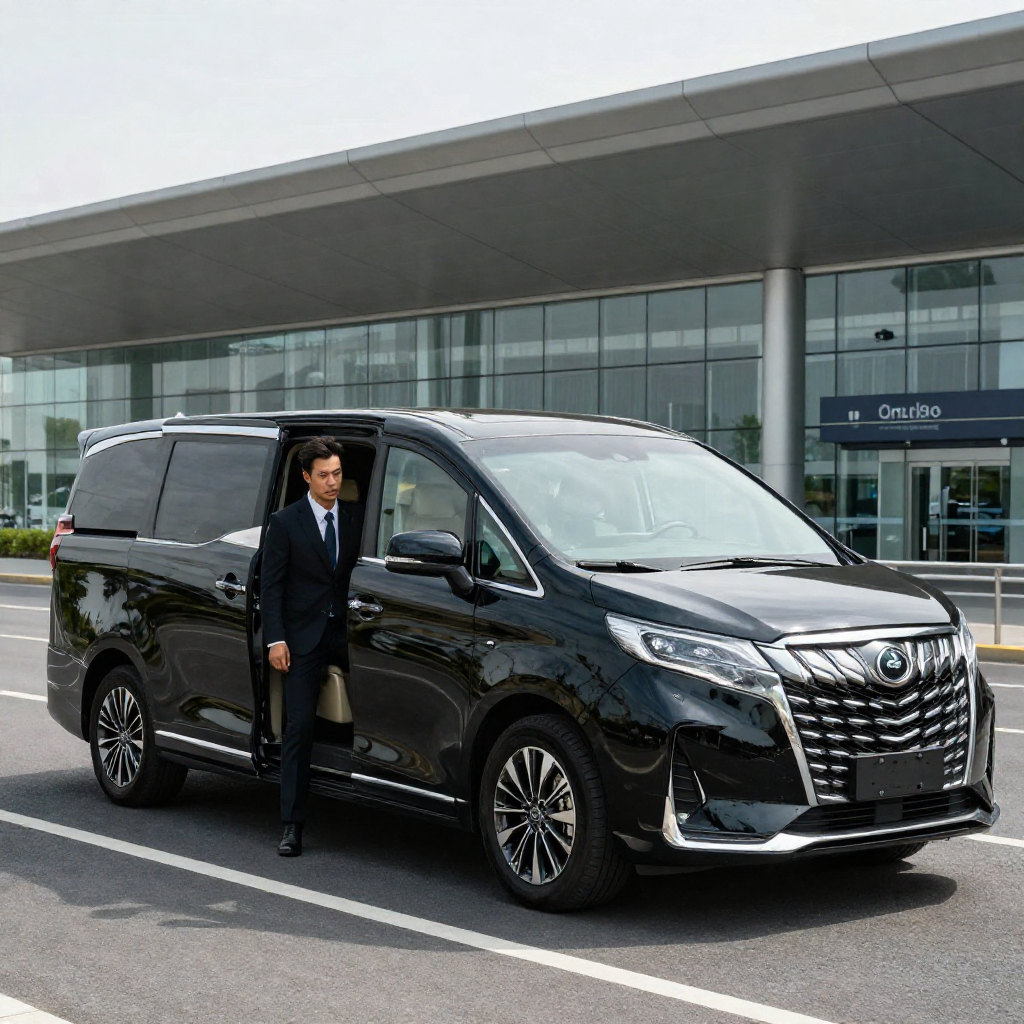
What Are the Main Transportation Options for Business Travel?
There is no single transport option that suits every business journey. The right choice depends on distance, location, timing, budget and the number of people travelling.
Public transport and rail
Trains, buses and local transport services can be practical for journeys between well-connected locations. They may also help travellers avoid driving and parking arrangements.
However, public transport may involve changes, walking between connections or additional planning when the destination is outside a main transport network. Travellers should check timetables, service updates and the distance between stations and their final destination.
Self-drive and rental cars
Driving can offer independence, particularly when a business trip involves multiple appointments or locations that are difficult to reach by public transport.
A rental car may be suitable for longer visits or journeys that require several stops. However, travellers need to consider vehicle collection and return, parking, fuel, insurance arrangements and driving responsibilities.
Private hire and executive transfers
Private hire can be a practical choice when a traveller needs a pre-arranged journey between a home, hotel, workplace or airport.
A business airport transfer is particularly relevant when the journey starts or ends at an airport. The pick-up details can be arranged in advance, helping the traveller understand where the vehicle will meet them and when the journey is scheduled.
An executive airport transfer may also be considered when comfort and a more tailored travel arrangement are priorities. The vehicle and service should be checked before booking to ensure they meet the traveller’s requirements.
How Do Corporate Airport Transfers Make Business Trips Easier?
Airport transfers connect air travel with the rest of a business journey. When arranged properly, they can reduce the number of separate transport decisions a traveller needs to make.
A corporate airport transfer may be useful for employees, business owners, visiting clients or executives travelling between an airport and a work-related destination.
Some practical advantages include:
- Pre-arranged pick-ups: The traveller can confirm the collection details before departure.
- Direct journeys: A private hire vehicle can take the passenger to the agreed destination without requiring changes between public transport services.
- Clearer fare expectations: Where a fixed fare is offered, the traveller can know the quoted transport cost before travelling.
- Return journey planning: Both the outward and return journeys can be arranged as part of the travel plan.
- Support for different schedules: A service operating beyond standard office hours may help with early departures and late arrivals.
For businesses arranging transport for guests or colleagues, it is also important to share accurate flight details, passenger contact information, luggage requirements and the destination address.
A transfer should not be considered confirmed until the booking provider has issued confirmation and the traveller has checked the details.
What Should Businesses Look for in a Corporate Transfer Service?
Choosing a corporate transfer service involves more than finding a vehicle. The provider should be suitable for the journey, communicate clearly and explain the terms of the booking.
Consider the following points before making a reservation.
1. Licensing and driver checks
Check whether the operator and driver meet the relevant local licensing requirements. For journeys in the Wakefield area, you can look for a private hire operator licensed by Wakefield City Council.
2. Clear pricing
Ask how the fare is calculated and whether it is fixed before the journey. Confirm whether additional waiting time, changes to the route or other requirements could affect the price.
3. Booking confirmation
A written confirmation helps both the traveller and the person arranging the journey check the pick-up time, address, destination and agreed details.
4. Airport arrival arrangements
For return journeys, find out how the driver will meet the passenger. Some services offer a meet-and-greet arrangement, while others may use a designated pick-up point.
5. Flight monitoring
If the service includes flight tracking, check how it works and whether it affects the driver’s arrival time when an inbound flight is delayed.
6. Suitable vehicles
Consider the number of passengers, luggage and any additional space requirements. If an executive vehicle is required, confirm the available option rather than assuming it is included.
7. Communication and support
A clear contact method is useful if a flight changes or the traveller needs to clarify a booking detail. Check the provider’s operating hours and how booking amendments are handled.
These checks can help businesses choose a suitable corporate taxi hire option for individual journeys or airport collections.
How Can You Plan More Flexible Business Travel?
Flexible transportation works best when it is part of the wider travel plan. A few practical steps can help travellers avoid unnecessary confusion.
- Confirm the purpose of the trip. Identify the airport, meeting location, hotel and any additional stops.
- Check the schedule. Allow suitable time for airport procedures, road travel and possible delays.
- Compare transport options. Consider public transport, rental cars and private hire according to the route and requirements.
- Arrange important transfers early. Pre-book airport journeys where possible, especially for early departures or late arrivals.
- Share accurate details. Provide the correct flight information, pick-up address, passenger number and luggage requirements.
- Keep booking information accessible. Save the confirmation and the provider’s contact details.
- Review return arrangements. Confirm how the return pick-up will work and whether any details need updating.
For companies arranging journeys for several employees, a consistent booking process can also help keep travel details organised. Larger organisations may need additional arrangements such as centralised booking, expense reporting or formal corporate travel accounts. These should be confirmed directly with the transport provider rather than assumed to be part of a standard private hire booking.
How Geeta’s Private Hire Can Support Your Business Airport Transfers
For business travellers starting or ending their journey in Wakefield and surrounding West Yorkshire areas, choosing a local airport transfer provider can make the ground transport part of the trip easier to organise.
Geeta’s Private Hire provides pre-booked airport transfers from Wakefield and nearby locations, including Ossett, Horbury, Pontefract, Normanton, Castleford and Dewsbury. The service operates 24 hours a day, seven days a week, which can be useful when business flights fall outside standard working hours.
When arranging an airport journey with us, you can benefit from:
- Fixed fares: The price is agreed when you book, rather than relying on a running meter.
- Online booking: You can request an airport transfer through the website.
- Email confirmation: Booking details are confirmed by email.
- Flight tracking: Inbound flights are monitored so that delays can be taken into account.
- Meet and greet: Drivers meet arriving passengers in the terminal with a name board.
- Licensed, DBS-checked drivers: Our private hire operation is licensed by Wakefield City Council, and our drivers are DBS-checked.
We provide airport transfers to destinations including Leeds Bradford, Manchester, Liverpool John Lennon and East Midlands, as well as other UK airports.
Whether you are arranging your own journey or booking a transfer for a visiting colleague, sharing the correct flight and pick-up details helps us organise the trip. If you need a particular vehicle option, confirm its suitability and availability when requesting your quote.
To plan your next journey, visit our Wakefield airport transfers page or request an airport transfer quote.
Frequently Asked Questions
What is flexible transportation in business travel?
Flexible transportation means choosing travel arrangements that suit the timing, destination, budget and requirements of a business trip. It can include public transport, rental vehicles, private hire and pre-booked airport transfers.
Why do business travellers use private airport transfers?
Private airport transfers can provide a pre-arranged journey between an airport and a chosen destination. They may be useful for early or late flights, direct journeys, business luggage and travel to locations that are less convenient to reach by public transport.
Should you book a business airport transfer in advance?
Yes, booking in advance can help you confirm the pick-up time, address, fare and other journey details. It is particularly useful for early morning flights, busy travel periods and journeys where timing is important.
Can a private hire taxi be used for executive travel?
Yes. A private hire taxi may be suitable for executive travel when the vehicle, driver arrangements and service meet the passenger’s requirements. Confirm the available vehicle type and any specific needs before booking.
What should you check before choosing a corporate taxi service?
Check the operator’s licensing, driver credentials, pricing, booking confirmation, vehicle suitability, airport pick-up arrangements and communication process. If you need corporate billing or account facilities, confirm these directly with the provider.
Conclusion
Flexible transportation plays an important role in making business travel easier to organise. From choosing the right transport mode to arranging airport pick-ups in advance, a suitable plan can help travellers manage their time, costs and journey requirements.
The best option will depend on where you are travelling, how quickly you need to reach your destination and what support you require along the way. For business journeys involving Wakefield and surrounding West Yorkshire areas, Geeta’s Private Hire can help arrange pre-booked airport transfers with clear fares and confirmed journey details.
Plan your next airport journey in advance and request a quote from Geeta’s Private Hire.